
Products
Your header in Here

Serial to Ethernet Converters
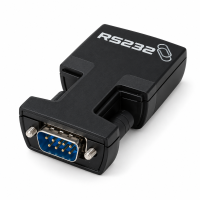
Serial to Ethernet Converter (RS232) - Basic
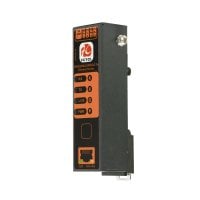
Serial to Ethernet Converter (RS232) - DIN Mount Basic
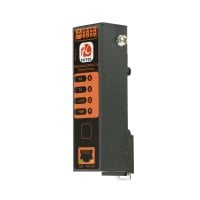
Serial to Ethernet Converter (RS485) - DIN Mount Basic
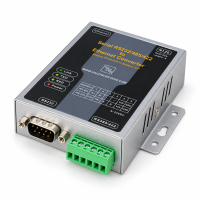
Serial to Ethernet Converter (RS232, 485, 422) - Economy
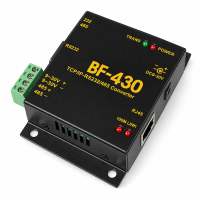
Serial to Ethernet Converter (RS232, RS485) - PRO
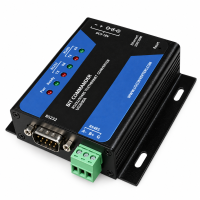
Serial to Ethernet Converter (RS232, RS485) - Ultimate
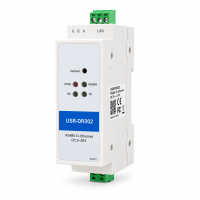
Serial to Ethernet Converter (RS232) - Industrial
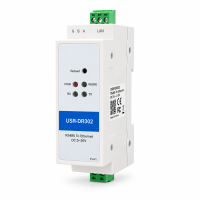
Serial to Ethernet Converter (RS485) - Industrial
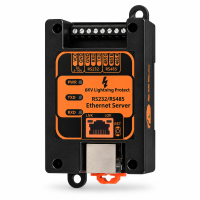
2-port Serial to Ethernet Converter (RS232 & RS485)
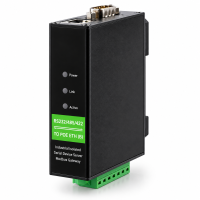
Serial to Ethernet Converter (RS232, RS485, RS422) with POE
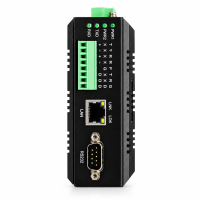
Serial to Ethernet Converter (RS232, RS485, RS422) Industrial
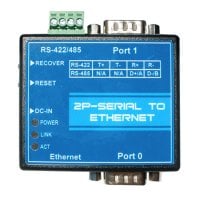
Serial Ethernet Converter (RS232, RS485, RS422), Desktop, 2 ports
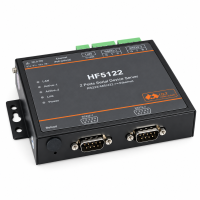
Serial to Ethernet Converter (RS232, RS485, RS422) 2-ports, Panel Mount
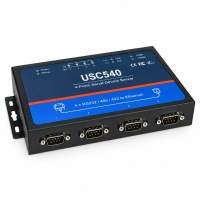
Serial Ethernet Converter (RS232, RS485, RS422), Panel Mount, 4 Ports
Generally about the Serial to Ethernet Converter:
A Serial to Ethernet converter, also called a serial device server, is a very useful device for accessing a serial device over a local LAN network or even over the Internet.
The Serial to Ethernet converter converts a serial RS232, RS485 or RS422 signal to a packet sized data signal which can be sent over any Ethernet network. The converter does this bi-directionally meaning that it converts data in both directions so communication with the serial device can established successfully and continually. This means that you for example can access a serial RS232 device from anywhere on a standard Ethernet (LAN) network, and many converters even allow you to access the serial device over the Internet by using a Virtual Personal Network (VPN) or DNS.
What can I use a Serial Ethernet converter for?
So as you can imagine a Serial to Ethernet converter / serial Device Server is a very convenient and useful device if you need to control or communicate with a serial device remotely over a network. As an example, you can access and re-program your home alarm system remotely via the Internet while you are on vacation sunbathing on a beach in Bahamas, provided that your alarm has a serial interface, simply by accessing your alarm by using a computer with Internet access.

Another example could be the need for connecting to and configure your factory machinery at the other end of the factory over a local LAN network while you sit in your office. This is one of the great advantages of using an Ethernet to Serial server since you do not have to install new wires to connect to the machine and you also do not have to walk all the way to the other end of the factory to configure the machinery.

Types of serial device servers
A Ethernet Serial server is typically made with 1, 2, 4 or 8 serial ports which can be either RS232, RS485 or RS422 ports or a combination hereof. One and two port converters are the most popular and usually has the size of a packet of cigarettes. Four and eight port units typically have the size of a small cigar box.
The typical device server is often used in industrial environments, however many are also used in office and consumer applications for controlling many types of electronic devices. Typically it is used for connecting a machine or device to a computer so it can be monitored and even controlled remotely.
Setting up a Ethernet to Serial converter is usually a fairly simple task, however if you want to use it to access a serial device over the Internet then it becomes more advanced; please see our support section for a setup guide for this particular configuration.
Most serial device servers come included with a virtual COM port re-director software which is used for creating a virtual COM port in your computer. This COM port can then be used almost as if it was a regular built-in COM port in your computer. The re-director software often also allows you to configure the parameters of the device server. Alternatively the parameters can usually be configured by using a web-browser or via a Telnet connection.
Article: Top Serial to Ethernet Solutions for Your Network Needs
Looking to connect older serial devices to an Ethernet network? Serial to Ethernet converters, like RS232, RS485, and RS422, make it possible. This article covers the basics, types, and features of these converters, and how to set them up.
Key Takeaways
-
Serial to Ethernet converters facilitate communication between serial devices and Ethernet networks, enhancing remote access and operational efficiency.
-
Different types of converters support various serial interfaces (RS232, RS485, RS422), and choosing the right one is critical for compatibility and performance.
-
Industrial-grade solutions, including DIN rail and panel mount converters, offer robust performance in challenging environments while enabling integration of legacy systems with modern networks.
Understanding Serial to Ethernet Converters

Serial to Ethernet converters are devices that enable communication between serial devices and Ethernet networks, bridging the gap between different communication protocols. These converters are also known as serial to IP converters. These converters are crucial for modern networking, allowing the integration of older serial devices into newer Ethernet networks. These converters transform serial data into Ethernet packets and back, enabling seamless network communication. This capability extends to remote access, monitoring, and control of serial devices via LAN or the internet, thereby enhancing operational efficiency.
These devices enable the connection and management of serial port devices over an Ethernet network. This integration not only modernizes your setup but also provides a versatile, scalable solution for various applications.
Whether you’re looking to streamline industrial processes or upgrade your IT infrastructure, understanding serial to Ethernet converters is the first step in unlocking their potential.
Types of Serial to Ethernet Converters
There are several types of serial to Ethernet converters, each designed to support different serial interfaces such as RS232, RS485, and RS422. RS232 to Ethernet converters are widely used due to their availability but are limited to shorter distances, typically less than 50 feet. RS232 converters are ideal for devices that rely on RS232 serial communication, facilitating their integration into Ethernet networks.
On the other hand, RS422 supports longer distances of up to 500 feet and can accommodate up to 32 devices on a single port, making it suitable for more extensive network setups. RS485 is another popular type, known for its ability to handle multiple commanding and listening devices on the same bus, making it a versatile option for complex network configurations.
RS485 to Ethernet converters are specifically designed for long-distance communication, making them ideal for industrial applications. Many converters support multiple serial interfaces, enhancing their versatility. When selecting a converter, it’s essential to ensure it supports the specific serial protocols used by your devices, such as RS232, RS485, or RS422.
Key Features of Serial to Ethernet Converters
Key features of serial to Ethernet converters include baud rate, data bits, and stop bits, which are critical parameters that influence performance and compatibility. The baud rate determines the speed of data transmission between devices, making it a crucial factor in the overall efficiency of your network. It’s important to ensure that the converter supports the same communication settings, such as baud rate, parity, and stop bits, as your serial devices to avoid compatibility issues.
Additionally, features like flow control, which manages data transmission between serial and Ethernet devices, are essential for preventing data loss during communication. By understanding these key features, you can select a serial to Ethernet converter that not only meets your technical requirements but also enhances the reliability and efficiency of your network.
Connecting Serial Devices to Ethernet Networks

Connecting serial devices to Ethernet networks involves using a serial to Ethernet converter to translate serial data into Ethernet packets and vice versa. This process allows devices with serial interfaces to connect to remote computers via a network, facilitating remote access and control. Utilizing these converters can significantly enhance communication between devices that traditionally rely on serial connections, making it possible to manage and monitor them more efficiently.
Advanced serial device servers can manage multiple serial connections simultaneously, further enhancing efficiency in complex network configurations. Integrating serial devices into Ethernet networks enhances remote management capabilities and improves operational workflows.
Setting Up Serial to Ethernet Converters
Setting up a serial to Ethernet converter involves a few straightforward steps. First, connect the serial device to the serial port on the converter. Next, link the converter to the Ethernet network. Configuring the network settings on the converter can be done through a web browser by entering its IP address, allowing users to modify settings without requiring complex software.
Panel mount converters provide a secure installation option for industrial settings, simplifying device integration within equipment racks and control panels. This setup not only ensures reliable connections but also facilitates easy access and maintenance.
Ensuring Reliable Performance
Ensuring reliable performance in serial to Ethernet converters requires attention to several factors. The baud rate, which determines the speed of data transmission, plays a crucial role in overall communication performance. Flow control mechanisms are essential for managing data transmission between serial and Ethernet devices, preventing data loss during communication.
Regular testing of connections and periodic firmware updates to converters are recommended to maintain optimal performance. Monitoring network configurations and device settings helps ensure stable operation, while tools like Telnet can verify that data is being sent and received correctly between devices.
Industrial-grade converters, designed to endure tough environments, offer reliable communication and data transfer.
Industrial-Grade Serial to Ethernet Solutions

Industrial-grade serial to Ethernet converters are essential for facilitating robust communication in harsh environments. Industrial-grade solutions often require Ethernet to RS232 conversion to ensure compatibility and seamless integration. These converters are utilized in various sectors such as industrial automation, healthcare, and smart buildings. Their reliability is demonstrated by products like the US2000B serial Ethernet converter, which boasts a mean time between failures (MTBF) of 381,342 hours, indicating exceptional reliability.
These industrial-grade solutions are designed to withstand extreme conditions, making them ideal for applications that require durable and dependable performance. Whether it’s in a factory setting or a remote healthcare facility, these converters ensure uninterrupted communication and control.
DIN Rail Mounted Converters
DIN rail mounted converters are designed for easy installation on standard DIN rails, making them suitable for industrial settings. These converters are ideal for installation in electrical control cabinets or enclosures, providing a streamlined way to connect serial devices to Ethernet. They offer a practical solution for managing extensive device networks, especially in environments where space and accessibility are critical considerations.
DIN rail mounted converters simplify integration within control cabinets, ensuring seamless Ethernet access to serial devices, which enhances operational efficiency and reduces downtime.
Panel Mount Converters
Panel mount converters are typically used in fixed installations, allowing for streamlined integration into control panels. These converters facilitate efficient use of space in control panels, making them suitable for compact industrial setups. Their straightforward installation, often requiring just screw terminal connections, enables quick setup and reliable performance.
This ease of installation and space efficiency makes panel mount converters a practical choice for industrial applications where maintaining a tidy and organized control environment is essential.
Advanced Serial Device Servers
Advanced serial device servers play a crucial role in enhancing the efficiency of complex network setups by allowing multiple serial devices to connect over TCP/IP networks. These converters facilitate the transmission of serial data over TCP/IP networks, enhancing remote access and control. This ability to connect to serial devices over local or internet networks significantly improves operational workflows and device management.
These advanced solutions are ideal for applications that require robust network management and efficient data transmission, ensuring reliable and scalable connectivity for various serial devices.
Multi-Port Serial Device Servers
Multi-port serial device servers are essential for managing extensive networks of serial devices, allowing for centralized communication across multiple connections. These servers often feature auto-sensing Ethernet ports, allowing for seamless integration with varied network environments. Higher-priced converters may offer advanced features such as better isolation and multi-port support, which could justify the investment based on application demands.
When selecting multi-port serial device servers, consider the specific application needs and the potential benefits of advanced features they may offer. These servers enhance network efficiency and provide a scalable solution for complex setups.
Virtual COM Port Software
Virtual COM port software creates virtual serial ports on a computer, simplifying communication with remote serial devices. This software enables seamless communication between serial devices and applications over Ethernet, streamlining device management. It aids in managing multiple serial connections over a single network interface, making operations more efficient.
Tools like ser2net and remtty provide functionalities for creating virtual serial ports over Ethernet, allowing for flexible management of serial connections. This software is compatible with various operating systems, including Windows and Linux, offering a versatile solution for different network environments.
Applications of Serial to Ethernet Converters

Integrating serial devices with Ethernet networks allows for improved communication protocols and broader connectivity options. Advanced serial device servers enable rapid connectivity for mission-critical applications, ensuring reliable remote access to various devices. Serial to Ethernet converters can act as Modbus gateways, allowing conventional Modbus devices to communicate over Ethernet networks.
These applications demonstrate the versatility of serial to Ethernet converters, providing essential solutions for modernizing legacy systems and enabling efficient remote monitoring and control.
Remote Monitoring and Control
Serial to Ethernet converters support remote monitoring and control of serial devices via Ethernet, enabling seamless access to data. These converters facilitate the management of serial devices from remote locations, improving operational efficiency. Real-time data transmission from remote locations is critical for monitoring equipment status and performance.
Operators can access and control serial devices over the internet, enhancing operational efficiency and reducing downtime. Multi-port serial device servers enable simultaneous connections for multiple devices, increasing efficiency in data management within the operating system. The serial device server allows for streamlined communication between the devices.
Integrating Legacy Systems
Serial to Ethernet converters enable the integration of serial devices with Ethernet networks, facilitating communication across diverse hardware. These converters allow older serial devices to connect with modern TCP/IP networks, facilitating their integration with current technology. They serve as a bridge to connect outdated devices using protocols like RS232 or RS485 to modern Ethernet networks.
This integration ensures the continued functionality of legacy control systems with newer web-based management applications, providing a future-proof solution for various industries.
Choosing the Right Serial to Ethernet Converter

Choosing the right serial to Ethernet converter involves understanding your application requirements to ensure that the chosen device can meet the specific demands of your network. Different types of serial communication protocols, such as RS232, RS485, and RS422, have distinct applications, and selecting the right one, including RS485 to Ethernet converters, depends on the operational environment and connectivity requirements. Key features like baud rate, data bits, and flow control can significantly impact performance and compatibility with existing systems.
Evaluating compatibility with existing serial devices and network infrastructure is vital to ensure that the converter can effectively function within your setup. Performance under varied environmental conditions must also be assessed, as reliability can affect the overall functionality of your network. Balancing cost considerations and performance features is essential to achieve an optimized solution that fulfills your networking requirements.
Evaluating Compatibility
When connecting serial devices, it’s crucial to select a converter compatible with the serial standards used by the devices, such as RS-232, RS-422, or RS-485. The configuration of the serial port settings must match the parameters of the connected devices, including baud rate and flow control. Aligning these settings helps avoid communication errors and guarantees reliable performance.
Assessing the specific requirements of your application, including data rate and distance, is essential when selecting a serial to Ethernet converter. Conducting a visual inspection of cables and connectors can help identify potential physical issues that affect device compatibility.
Testing the communication between the serial devices and the converter using terminal emulation software can confirm the proper functionality of the serial port. Balancing cost and performance involves evaluating the converter’s features against its price to ensure it meets your operational needs without overspending.
Cost vs. Performance
Finding the optimal balance between cost and performance in serial to Ethernet solutions is crucial for effective application. Choosing a more affordable converter may lead to compromises in performance or reliability, which can impact long-term operational efficiency. Therefore, it’s essential to weigh the benefits of enhanced features and improved reliability against the initial cost.
A higher initial cost for a serial to Ethernet converter may be justified by enhanced features and improved reliability, ultimately offering better long-term savings. Selecting a suitable converter involves understanding your specific networking needs and the applications it will support. Carefully considering these factors ensures your investment offers the best value and performance for your network requirements.
Summary
In summary, serial to Ethernet converters are indispensable tools for modernizing networks, integrating legacy systems, and enhancing operational efficiency. By understanding the types, key features, and applications of these converters, you can make informed decisions to optimize your network’s performance. Whether you need robust industrial solutions or advanced device servers, there’s a serial to Ethernet converter tailored to your needs. Invest wisely, and enjoy the seamless connectivity and control that modern Ethernet solutions offer.
Frequently Asked Questions
What are serial to Ethernet converters?
Serial to Ethernet converters facilitate communication between serial devices and Ethernet networks by converting serial data into Ethernet packets and vice versa. This allows for seamless integration of legacy serial devices into modern network infrastructures.
What types of serial to Ethernet converters are available?
Serial to Ethernet converters typically include RS232, RS485, and RS422 types, each designed to accommodate various distances and device configurations effectively.
How do you set up a serial to Ethernet converter?
To set up a serial to Ethernet converter, connect your serial device to the converter, link the converter to the Ethernet network, and then configure the network settings through a web browser. This will enable effective communication between your devices.
Why is baud rate important in serial to Ethernet converters?
Baud rate is essential in serial to Ethernet converters as it dictates the data transmission speed, ensuring efficient and reliable communication. A mismatched baud rate can lead to data loss or communication errors.
How do industrial-grade serial to Ethernet converters differ from standard ones?
Industrial-grade serial to Ethernet converters differ from standard ones primarily in their durability and environmental resilience, featuring rugged housings and the ability to operate in extreme temperature ranges. This makes them suitable for demanding industrial applications.


